Physical Address
304 North Cardinal St.
Dorchester Center, MA 02124
Physical Address
304 North Cardinal St.
Dorchester Center, MA 02124


Pepperstone Review 2026: Discover if Pepperstone is the best forex broker for Ugandan traders. Learn about spreads, regulation, account types, pros & cons, and trading tips from a Ugandan trader’s experience.
Forex trading in Uganda is growing rapidly, and many traders are searching for brokers that are reliable, regulated, and beginner-friendly.
One broker that frequently comes up in discussions is Pepperstone. Founded in 2010 in Australia, Pepperstone has become a global broker trusted by thousands of traders worldwide.
In this comprehensive review, I share my experience trading with Pepperstone as a Ugandan trader, covering spreads, leverage, account types, deposit and withdrawal methods, regulation, and pros and cons. I’ll also explain who Pepperstone is best for, and how it compares to competitors like Exness.
By the end, you’ll know whether Pepperstone is the right broker for your trading style and discover strategies to grow a small forex account safely in Uganda, like I explain in my article on can you grow a small forex account of just $10?.
Pepperstone is a global forex and CFD broker headquartered in Melbourne, Australia. It is regulated by both the Australian Securities and Investments Commission (ASIC) and the Financial Conduct Authority (FCA) in the UK, making it a trustworthy choice for traders worldwide, including Ugandans.
The broker offers access to major forex pairs, commodities, indices, and cryptocurrencies. Its main appeal is tight spreads, fast execution, and professional trading platforms like MetaTrader 4, MetaTrader 5, and cTrader, which I’ve personally used for scalping and swing trading.
My experience with Pepperstone has been very positive, especially when using cTrader. One thing that stood out immediately was the speed and reliability of execution.
Ftrader
For active traders, execution speed is crucial, and Pepperstone rarely disappoints. cTrader adds a significant advantage with its transparent order book and advanced charting tools, allowing traders to see market depth clearly.
I appreciate that with cTrader, the risk of market manipulation is minimal. Unlike some platforms where orders can be re-quoted or spreads artificially widened, cTrader provides straight-through processing (STP), which means trades are executed directly with liquidity providers without unnecessary interference.
This level of transparency gives me confidence that my trades are fair and that I’m operating in a genuinely competitive market environment.
Spreads are consistently tight, withdrawals are smooth, and customer support is responsive whenever I need help. Whether you’re a beginner or an experienced trader, Pepperstone paired with cTrader offers a reliable and professional trading experience. For me, it’s been a trustworthy partner in trading, providing speed, transparency, and tools that help make informed decisions without worrying about unfair manipulation.
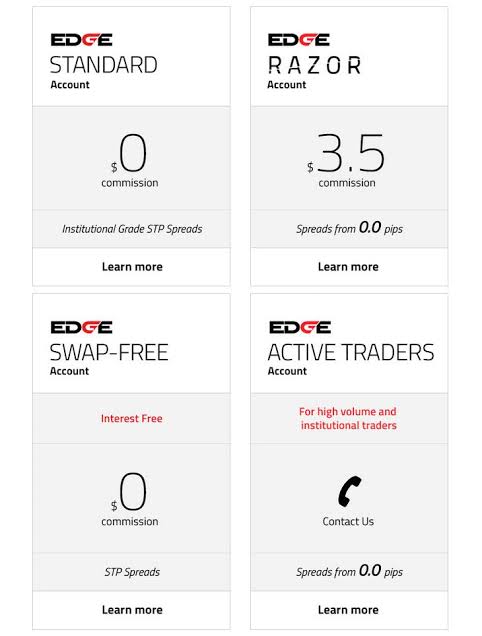
Pepperstone Account Types
Pepperstone is ideal for:
It may not be ideal for absolute beginners who prefer local support or small bank transfers only. For them, you may consider brokers like Exness, which I review in Exness vs Pepperstone.
Trading successfully with a broker like Pepperstone requires more than just opening an account. While Pepperstone is known for its tight spreads, fast execution, and reliable platforms like MT4, MT5, and cTrader, maximizing your trading potential depends on your approach, strategy, and discipline. In this article, we’ll explore the do’s and don’ts of trading with Pepperstone, along with actionable tips to thrive in the markets.
Pepperstone has earned a solid reputation among traders for several reasons:
For more information on brokers with fast execution, see our guide on best Forex brokers for beginners.
| Do | Why It Matters |
|---|---|
| Use cTrader for transparency | The STP system reduces manipulation and gives a clear view of market depth. |
| Stick to a trading plan | Discipline prevents emotional decisions that can lead to losses. |
| Monitor spreads and fees | Pepperstone offers tight spreads, but checking them can improve profitability. |
| Test strategies on demo first | Avoid unnecessary risk by practicing before trading live. |
| Use risk management tools | Stop-loss, take-profit, and proper position sizing are essential. |
| Keep learning | Market conditions change; continuous learning keeps you competitive. |
| Don’t | Why It Matters |
|---|---|
| Chase losses | Trying to recover quickly often leads to larger losses. |
| Ignore market news | Global events impact price movements; ignoring them can be costly. |
| Overtrade | Excessive trading increases fees and emotional stress. |
| Neglect platform features | Tools like cTrader’s Level II pricing or automated scripts can enhance efficiency. |
| Rely on risky strategies without testing | Avoid strategies that you haven’t tested on a demo account. |
| Feature | Standard Account | Razor Account |
|---|---|---|
| Minimum Deposit | $200 | $200 |
| Typical Spread on EUR/USD | 1.0 pip | 0.0–0.3 pip |
| Commission | None | $3.50 per 100k per side |
| Best For | Beginners | Scalpers & active traders |
| Platforms | MT4, MT5, cTrader | MT4, MT5, cTrader |
I recommend starting with a demo account first, as I describe in forex trading explained for beginners, then gradually move to a live Standard account.
Many traders in Uganda prefer brokers with local regulatory recognition or on‑the‑ground support. Pepperstone isn’t regulated by the Capital Markets Authority (CMA) of Uganda and doesn’t have an office there, though it operates under the CMA of Kenya for East African clients and other top regulators like the UK’s FCA and Australia’s ASIC.
Impact in East Africa:
While Pepperstone often advertises tight spreads and low costs, some traders — especially beginners — find the commission structures and fee schedules complicated.
Things that put people off include:
For traders used to simpler brokers with UGX accounts or straightforward fee descriptions, this can feel like a hurdle.
Many brokers that are popular in East Africa integrate local payment channels like Mobile Money or direct local bank transfers. Pepperstone usually relies on international methods such as Visa/Mastercard, Skrill, Neteller, or global bank transfers — which can be slower and less familiar to some Ugandan traders.
Why it matters:
Even though many global broker reviews are positive, there are mixed community reports about issues like customer support responsiveness, withdrawal difficulties, or strange execution behavior. These kinds of stories — even if not representative — can weigh heavily in markets where word‑of‑mouth matters.
Common user concerns (rare, but discussed online):
Even if these aren’t the norm, they can make traders in East Africa more cautious when choosing a broker.
Traders in the region often compare Pepperstone to brokers like Exness, XM, or IC Markets that sometimes offer:
These can make other brokers feel more accessible, especially for newer traders.
| Reason | What It Means for Traders |
|---|---|
| No Uganda regulation | Traders may feel less legal protection locally |
| Complex costs & fees | Newbies find pricing confusing |
| No local payment rails | Longer, international funding/withdrawal process |
| Mixed community feedback | Caution due to stories about executions/support |
| Strong broker alternatives | Competes with brokers that fit local needs better |
Pepperstone is a robust and globally reputable broker, but in Uganda and East Africa, the hesitancy often stems from local market expectations — like local regulation, payment options, and straightforward fee structures — rather than a lack of capability. Traders who are comfortable with global brokers, understand the fee structure, and use international payment methods can still benefit greatly from Pepperstone’s platforms like cTrader, MT4, and MT5.
| Feature | Pepperstone | Exness |
|---|---|---|
| Minimum Deposit | $200 (Razor) | $10 |
| Spreads | 0.0 – 1.0 pips | 0.3 – 1.2 pips |
| Execution | <30ms | <50ms |
| Regulation | ASIC, FCA | CySEC, FCA |
| Best For | Advanced traders | Beginners, small accounts |
Verdict:
Tip: Start with a demo account before risking real money. You can also learn advanced risk management from my FundedNext prop firm review.
Q1: Is Pepperstone safe for Ugandan traders?
Yes. ASIC and FCA regulation ensures your funds are secure.
Q2: Can I start with a small account?
Yes, the Standard account allows small deposits, but Razor accounts require more capital.
Q3: Which platform is best for Uganda?
MT4 and MT5 are perfect for slower internet. cTrader is great for scalpers.
Q4: How fast are deposits and withdrawals?
Card and PayPal deposits are instant; bank transfers may take 1–3 days.
Q5: Should I choose Pepperstone or Exness?
Exness is better for small accounts. Pepperstone is more professional for advanced traders.
Pepperstone is a reliable, professional broker for Ugandan traders who value low spreads, fast execution, and regulated trading. While it may not be the cheapest for beginners, its platform variety, global market access, and regulation make it a top choice for serious traders. Combined with good risk management, Pepperstone is an excellent option to grow your trading experience safely in Uganda.