Physical Address
304 North Cardinal St.
Dorchester Center, MA 02124
Physical Address
304 North Cardinal St.
Dorchester Center, MA 02124
Disclosure: This article contains affiliate links. If you sign up through them, we may earn a commission at no extra cost to you.
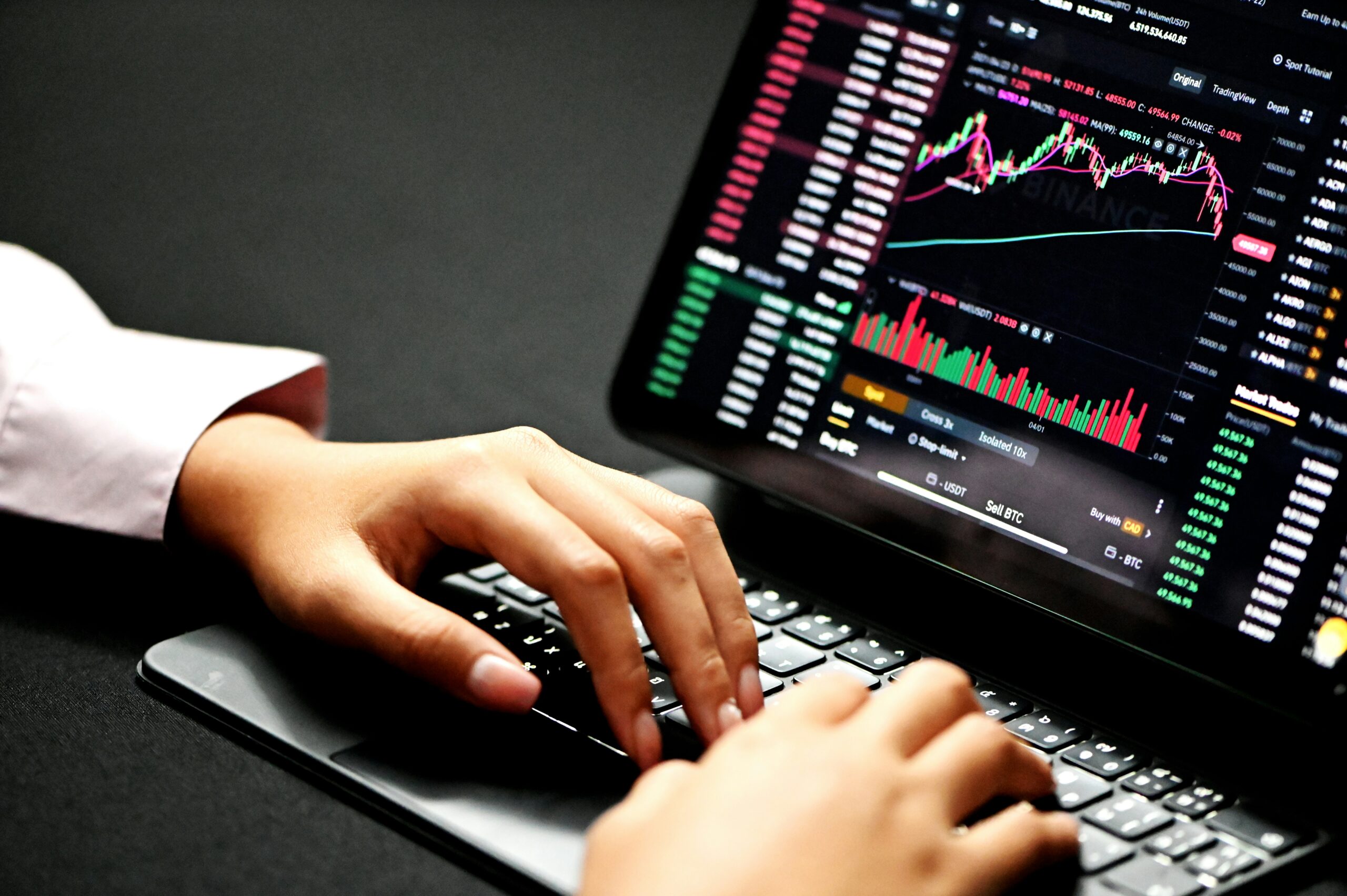
Forex trading, short for foreign exchange trading, is the process of buying one currency while simultaneously selling another with the goal of profiting from price movements. It is the largest financial market in the world, with daily trading volumes exceeding $7 trillion, according to the Bank for International Settlements. Unlike stock markets, forex operates 24 hours a day, five days a week, and offers accessibility to anyone with a computer or mobile device.
Beginners are drawn to forex for its:
However, successful trading requires education, strategy, and discipline. This guide will cover everything a beginner needs to start trading with confidence.
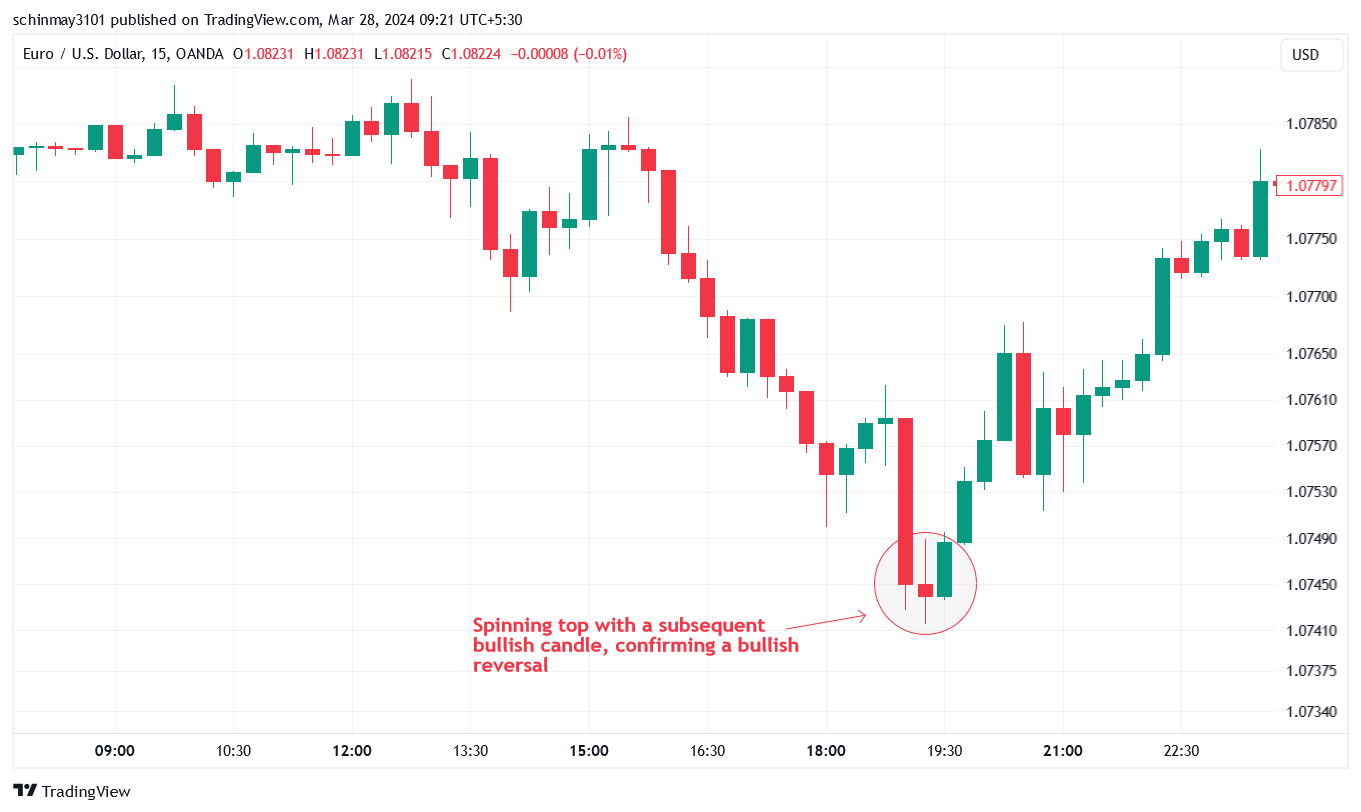
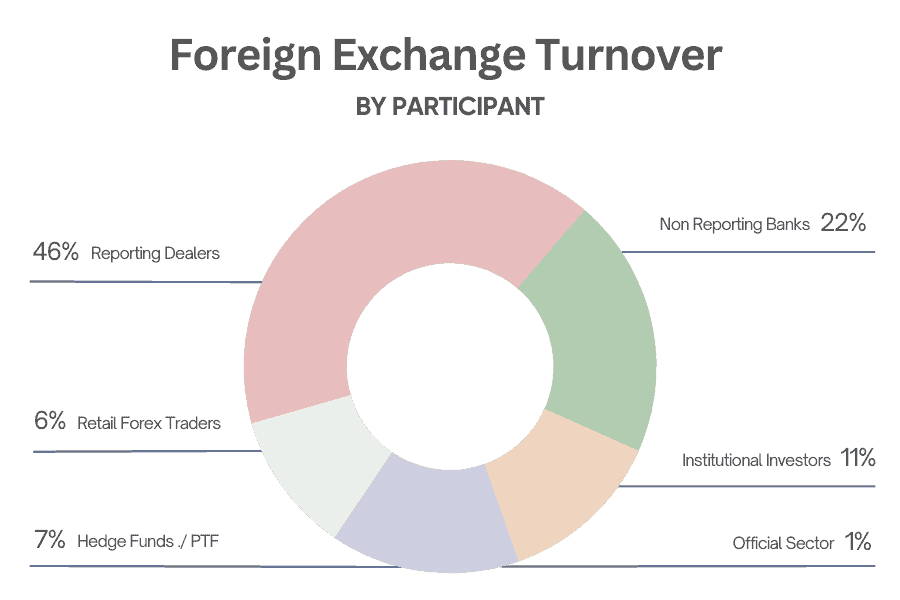
The forex market is a global network where currencies are exchanged. Unlike centralized stock exchanges, forex trading is decentralized, connecting banks, brokers, financial institutions, corporations, governments, and individual traders electronically.
The market exists primarily to facilitate:
Bank for International Settlements – FX turnover
Forex trading always involves currency pairs. You are buying one currency while selling another. For example:
EUR/USD = 1.1000
A rise in EUR/USD indicates the euro strengthens against the U.S. dollar. Traders can profit in both rising and falling markets.
Best Ranked Forex Brokers for Beginners in 2026
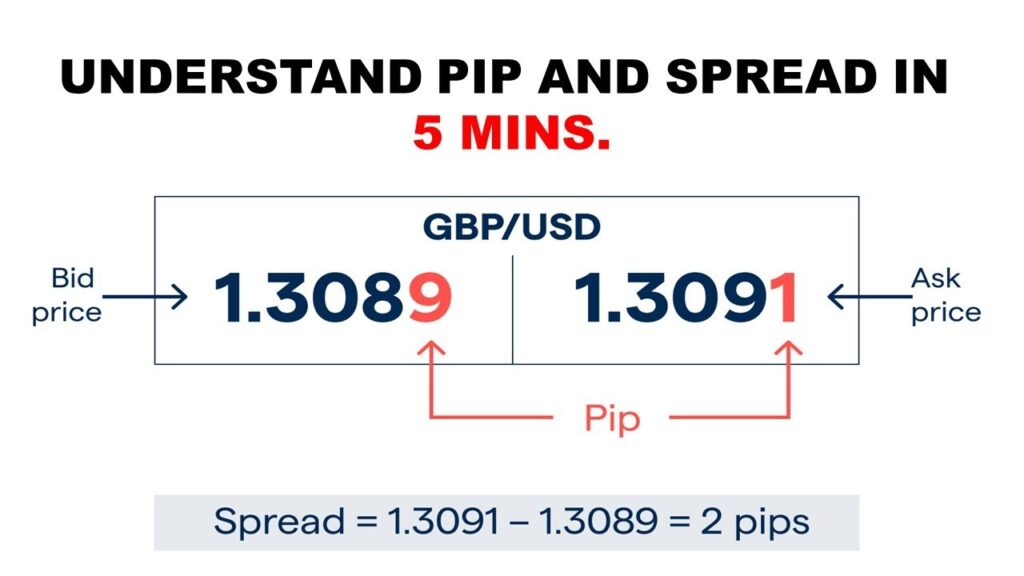
A pip is the smallest price movement in a currency pair. For EUR/USD, a move from 1.1000 to 1.1001 is 1 pip.
The spread is the difference between the buy (ask) and sell (bid) price, representing trading costs.
Leverage allows traders to control large positions with small capital, amplifying both profits and losses.
Investopedia – Forex Leverage Explained
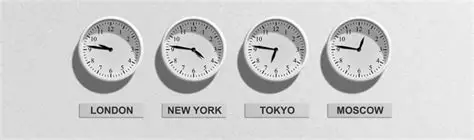
The forex market operates 24/5, following major financial centers:
| Session | Region |
|---|---|
| Sydney | Asia-Pacific |
| Tokyo | Asia |
| London | Europe |
| New York | North America |
The London–New York overlap is the most liquid period.
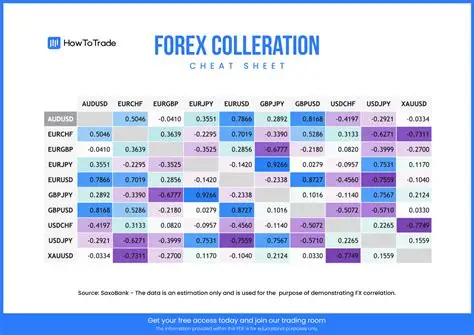
Forex prices move based on supply and demand. Highly liquid pairs like EUR/USD have smoother price movement and lower spreads. Beginners should focus on major pairs to reduce risk.
TradingView – Live Forex Charts
| Lot Type | Size | Pip Value |
|---|---|---|
| Micro | 0.01 | $0.10 |
| Mini | 0.10 | $1 |
| Standard | 1.00 | $10 |
Beginners should use micro lots to manage risk.
Can You Grow a Small Forex Account of Just $10?
Image suggestion: Forex order types diagram.
How to Tell If a Forex Broker Is Legit or a Scam
Image suggestion: Beginner demo trading screenshot.
Top 5 Mistakes Beginner Forex Traders Make and How to Avoid Them
Even after mastering basic stop-loss and risk-per-trade rules, traders who want consistent results need advanced risk management strategies.
High-volatility pairs (like GBP/JPY) require smaller positions compared to low-volatility pairs (like EUR/USD). Formula:
Position Size = Account Risk ÷ Stop Loss in Pips × Pip Value
Can You Grow a Small Forex Account of Just $10?
Maintain a 1:2 ratio to ensure profitable trades outweigh losses.
Offset positions to reduce risk.
Pepperstone, Exness
Trade multiple correlated pairs to reduce volatility.
Top 5 Mistakes Beginner Forex Traders Make
| Mistake | Why It’s Dangerous |
|---|---|
| Over-leveraging | Rapid losses |
| No trading plan | Emotional decisions |
| Revenge trading | Escalates losses |
| Ignoring news | Volatility risk |
ForexFactory Economic Calendar
How GBP/USD Reacts to US Tariff News 2026
Use fundamentals for trends, technicals for timing
Selecting the right broker is one of the most critical steps in your forex trading journey. A good broker ensures reliable execution, low spreads, transparent fees, and regulated protection for your funds. Beginners often make mistakes by choosing brokers solely based on advertising or bonuses — this can lead to unnecessary losses and frustration.
Before depositing any money, always check if the broker is regulated by a reputable financial authority. Regulation protects traders from fraud and ensures your funds are segregated from the company’s operational capital.
Top regulatory authorities to look for:
How to Tell If a Forex Broker Is Legit or a Scam
A broker’s platform determines how easily you can execute trades and analyze the markets. The most popular platforms for beginners and experienced traders are:
Exness vs Pepperstone – Which Broker Is Better for Serious Traders
Brokers offer multiple account types tailored to different experience levels. Beginners should start with micro or standard accounts with low minimum deposits.
The spread is the difference between the buying and selling price of a currency pair. Brokers may also charge commissions on trades. Beginners should compare brokers based on:
Best Forex Brokers for Beginners in 2026
A broker should provide reliable customer support and resources for learning. Features to look for:
What 5 Years of Forex Trading Taught Me
Some brokers offer affiliate programs or deposit bonuses. While attractive, beginners should not choose a broker solely for bonuses. Instead, consider them as extras after selecting a reputable broker.
Mobile trading apps allow you to monitor markets and execute trades on-the-go. Features to consider:
Can You Grow a Small Forex Account of Just $10?
Always research broker reviews from real traders. Look for:
Other important sites which can help you kick start your froex trading career in 2026:
Use a checklist approach:
How to Tell If a Forex Broker Is Legit or a Scam
Choosing the right broker early can save years of frustration and losses. Combine this with good risk management, fundamentals, and technical skills, and you’ll be well on your way to becoming a profitable trader.
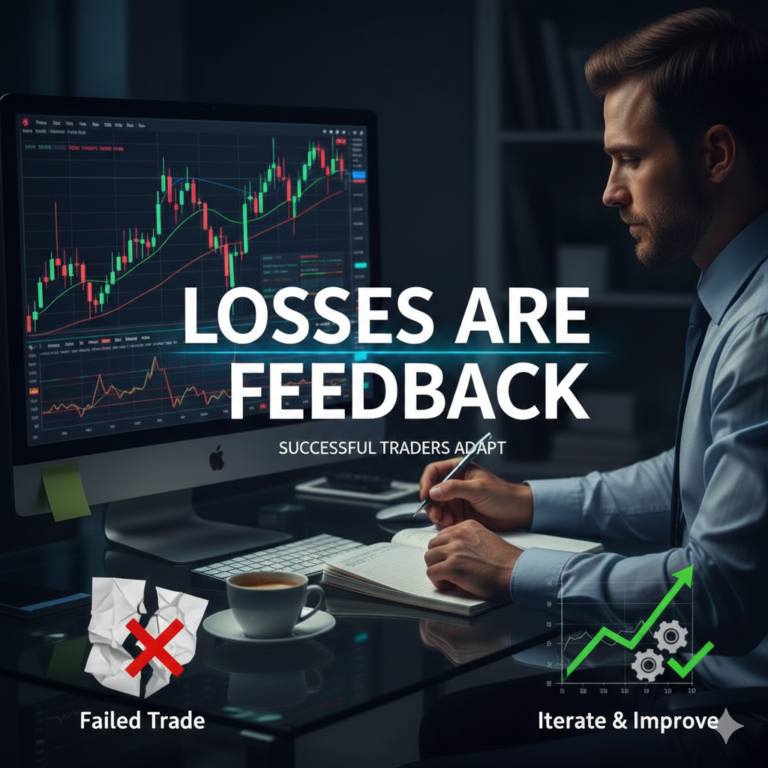
Why Successful Forex Traders Treat Losses as Feedback
I recommend FundedNext Prop firm because I personally trade with it.
What 5 Years of Forex Trading Taught Me
Forex trading is legal in most countries if conducted with regulated brokers.
Investopedia – Forex Regulations
Q1: What is forex trading?
A: Buying and selling currencies to profit from price changes.
Q2: How much capital is needed?
A: $50–$300 is sufficient for beginners.
Q3: Is forex trading gambling?
A: No, with proper strategy and risk management.
Forex trading offers opportunity, flexibility, and global access. Beginners should:
Affiliate recommendations: Pepperstone, Exness, XM, FundedNext, TradingView